Is Web Scraping Legal in 2026? The SerpApi v. Google Case and What It Means for Everyone Else
Google is suing SerpApi for scraping its search results — using the same DMCA theory publishers use against AI labs. Here's the case, and what's actually at stake.

The company that built its entire business on crawling and indexing the rest of the internet — without asking anyone's permission — is now suing someone else for doing exactly that to its own results pages.
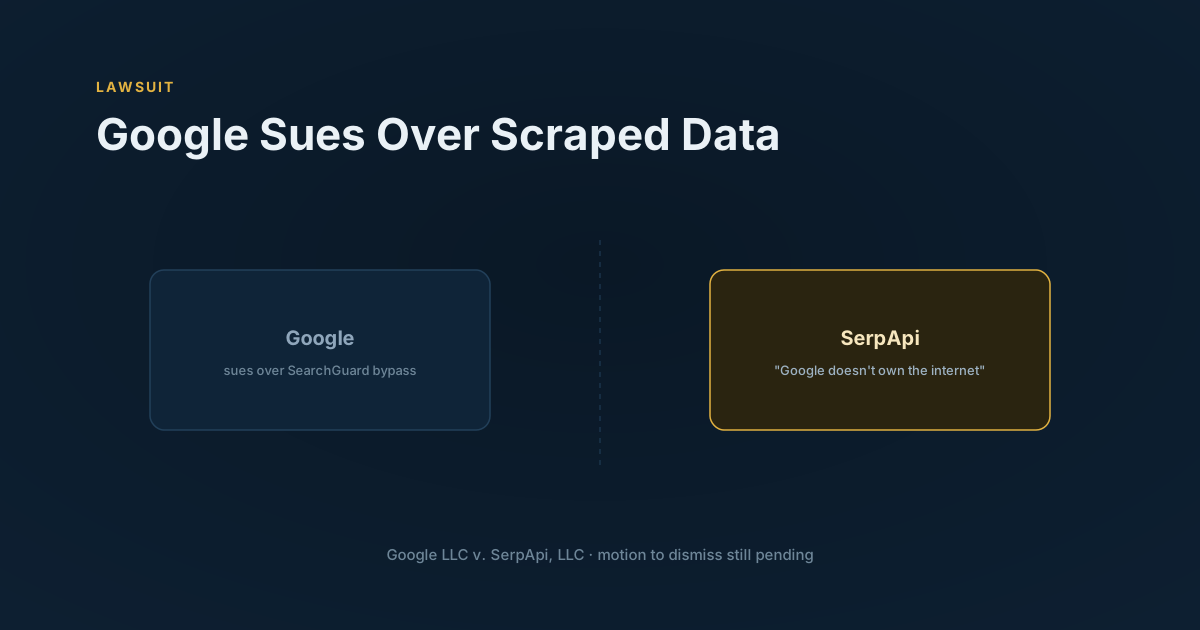
That's not a cheap shot; it's the actual structure of Google LLC v. SerpApi, LLC, filed in the Northern District of California in December 2025. And unlike the AI-training copyright suits that have dominated headlines, this one turns the usual scraping-lawsuit script inside out in a way that makes it worth understanding on its own terms.
What Google Actually Alleges
Google's complaint centers on SearchGuard, its anti-scraping technology protecting search results pages, and argues that SerpApi built its business — selling structured, machine-readable access to Google Search results via API — by circumventing it. The legal theory is the same DMCA anti-circumvention provision (Section 1201) that publishers have been using against AI labs: SearchGuard is a technological protection measure, SerpApi bypassed it, therefore SerpApi is liable independent of any separate infringement question.
SerpApi's business model, for context, is exactly what its name suggests: it scrapes Google (and other) search results and resells structured access to that data via API, serving the rank-tracking, SEO tooling, and competitive research market — a real, established product category with plenty of competitors doing some version of the same thing.
SerpApi's Defense: "Google Doesn't Own the Internet"
SerpApi's February 2026 motion to dismiss makes an argument that's more interesting than a standard "we didn't do it" defense. It goes after standing — whether Google has the legal right to bring this claim at all.
The argument: a Google search results page is overwhelmingly composed of other people's content — titles, snippets, and links pulled from the websites Google has crawled and indexed. Google didn't write that content; the underlying sites did. SerpApi's position is that the DMCA protects the actual copyright owners of content, and Google — as an aggregator displaying other parties' material — isn't positioned to claim anti-circumvention protection over an assembly of content it doesn't hold the underlying copyright to.
It's a genuinely pointed argument, because it takes Google's own business model — built on aggregating and redistributing snippets of everyone else's content — and asks whether that same company gets to invoke copyright-adjacent protections when someone does something structurally similar to its aggregation layer.
Where the Case Actually Stands
This is worth being precise about, because it's easy to find outdated coverage online. As of this writing:
- Google filed the complaint in December 2025.
- SerpApi filed its motion to dismiss on February 20, 2026.
- A hearing on the motion was originally scheduled for May 19, 2026 — but Judge Yvonne Gonzalez Rogers vacated it on May 7, 2026. The motion is being decided on the papers — written submissions only, no oral argument.
- No ruling has been issued yet. The case is genuinely pending. Anything you read claiming a definitive outcome one way or the other, as of mid-2026, is either speculation or has gotten ahead of the actual docket.
That matters for how to read every hot take currently circulating about this case: the standing argument is a real, filed legal theory — not yet a legal outcome.
Why This Case Is Bigger Than SerpApi
If the standing argument succeeds, it doesn't just resolve one lawsuit — it narrows who can even bring a DMCA anti-circumvention claim over aggregated content, which has implications well past search results. Plenty of platforms sit in a similar structural position: aggregating, indexing, or displaying content they don't personally hold copyright over, then asserting technological-protection-measure claims against anyone who scrapes their aggregation layer.
If it fails, the message is closer to the opposite: technological protection measures like SearchGuard get DMCA teeth regardless of who owns the underlying content being protected — which would meaningfully strengthen the legal position of any platform running anti-scraping infrastructure over aggregated, largely third-party content. That has direct relevance for the entire rank-tracking and SERP-analysis tooling industry, which has operated in a legally under-litigated space for years.
How This Connects to the Robots.txt Ruling
Read alongside the Ziff Davis v. OpenAI robots.txt ruling from earlier this year, a pattern comes into focus: 2026 is turning into the year DMCA Section 1201 — anti-circumvention — gets stress-tested from multiple directions in scraping-adjacent litigation. One case narrows what counts as a technological protection measure (robots.txt doesn't). This one tests who gets to invoke protection over one, even when the measure is real (SearchGuard is an actual technical barrier, not a text file). Different question, same underlying statute, same broader uncertainty about how 25-year-old copyright law maps onto a scraping and AI landscape nobody was thinking about when it was written.
Neither case is close to a final, appeals-exhausted answer. Both are worth tracking specifically because they're setting the terms other courts will reference.
What This Means If You Build on Search Data
If your product depends on programmatically accessing search results — rank tracking, SERP feature monitoring, competitive keyword research — this case is the one to watch, not because it changes anything today, but because a ruling either way will shift the risk calculus for the entire category. A dismissal on standing grounds would be a meaningful precedent in the industry's favor. A ruling that lets Google's claim proceed keeps the current uncertainty in place, or worse, hardens it against you.
Either way: don't build a legal strategy on the assumption that this resolves in a particular direction. The honest position, as of mid-2026, is that this is unresolved, closely watched, and worth checking back on — not a settled question you can cite as precedent yet in either direction.